Choosing the right headphones can be a daunting task, especially with the plethora of options available today. Whether you are a casual listener or an audiophile, understanding your needs is crucial in making the right choice. This guide will walk you through the essential factors to consider when selecting headphones that suit your lifestyle and preferences.
Understand Your Listening Habits
The first step in choosing the perfect headphones is to assess your listening habits. Do you primarily listen to music while commuting, or do you prefer a more immersive experience at home? Identifying where and how you will use your headphones can significantly narrow down your options. For instance, if you are often on the go, lightweight and portable headphones may be ideal.
Additionally, consider the genres of music you enjoy. Different headphones can enhance various sound profiles, so if you love bass-heavy music, look for models that emphasize low frequencies. On the other hand, if you prefer classical or acoustic music, headphones that offer a balanced sound might be more suitable.
Types of Headphones
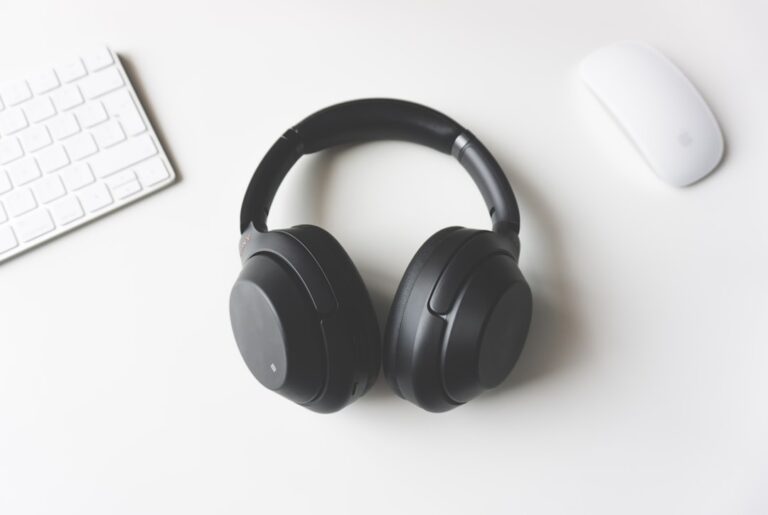
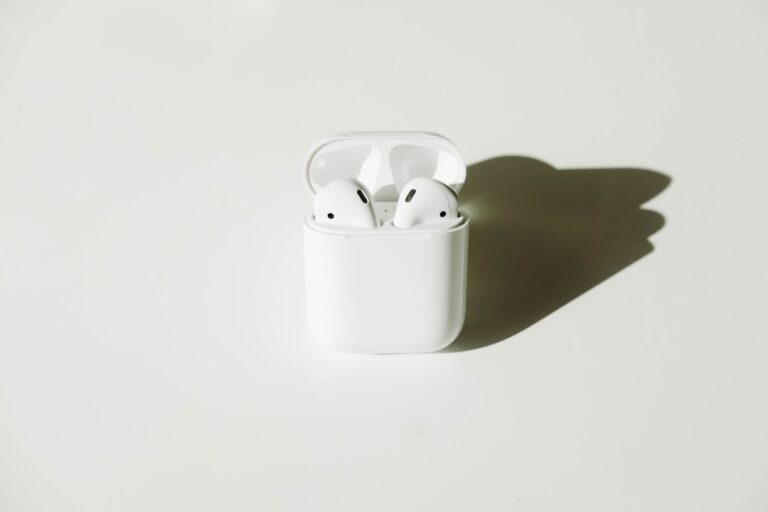
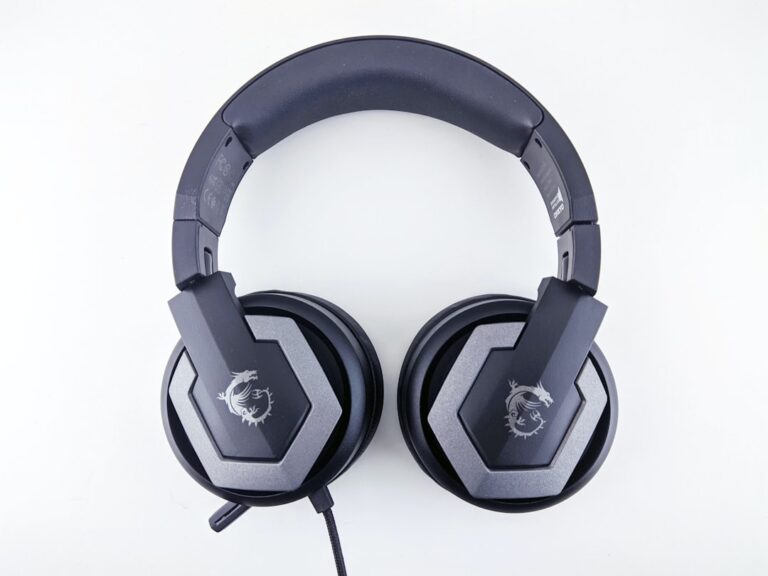
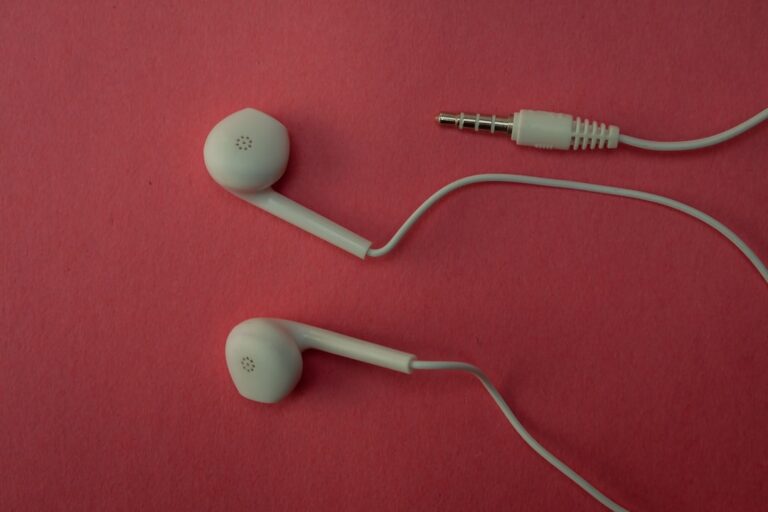
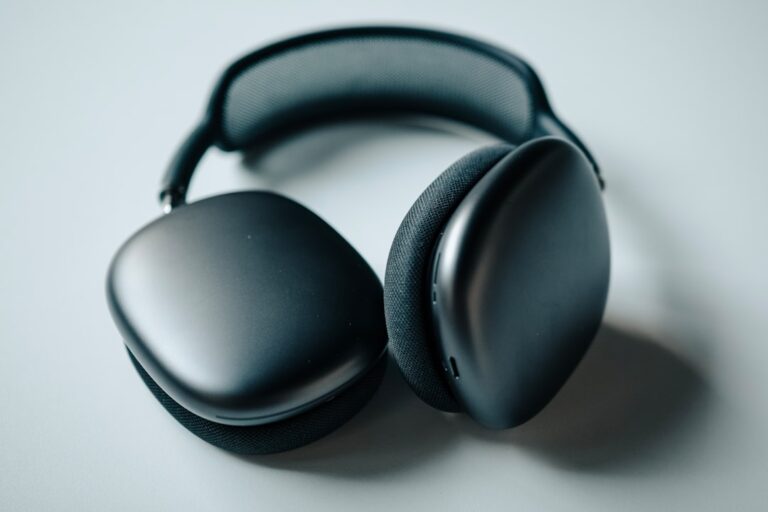
Headphones come in various types, each designed for specific uses. Over-ear headphones are known for their comfort and sound quality, making them perfect for home listening. In-ear headphones, or earbuds, are compact and portable, ideal for those who are always on the move. On-ear headphones strike a balance between the two, offering decent sound quality without the bulk.
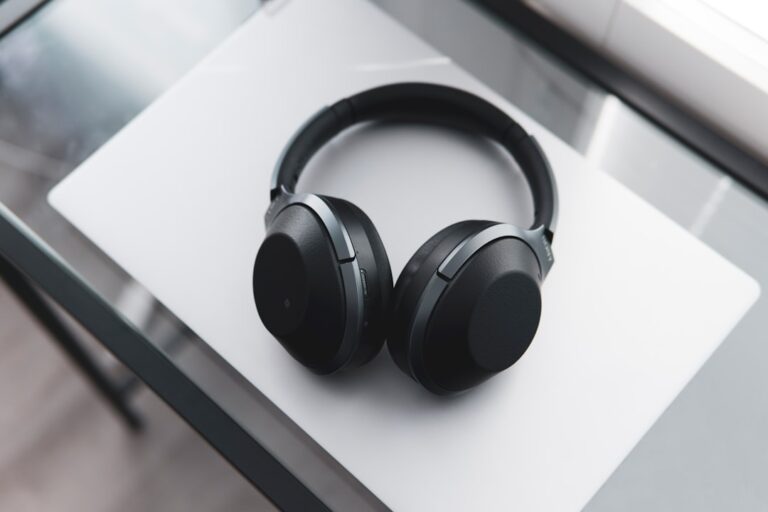
Noise-canceling headphones are another option worth considering, especially if you frequently find yourself in noisy environments. These headphones use technology to block out ambient sounds, allowing you to enjoy your music without distractions. However, they can be more expensive, so weigh the benefits against your budget.
Sound Quality and Specifications
When it comes to sound quality, specifications play a vital role. Look for headphones with a wide frequency response range, as this indicates the ability to reproduce both low and high sounds effectively. Additionally, pay attention to the impedance rating; lower impedance headphones are easier to drive and are suitable for portable devices, while higher impedance models may require a dedicated amplifier.
Another important aspect is the driver size, which can influence sound quality. Larger drivers typically produce better bass response, while smaller drivers may excel in clarity and detail. Reading reviews and testing headphones in-store can help you gauge their sound quality before making a purchase.
Comfort and Fit
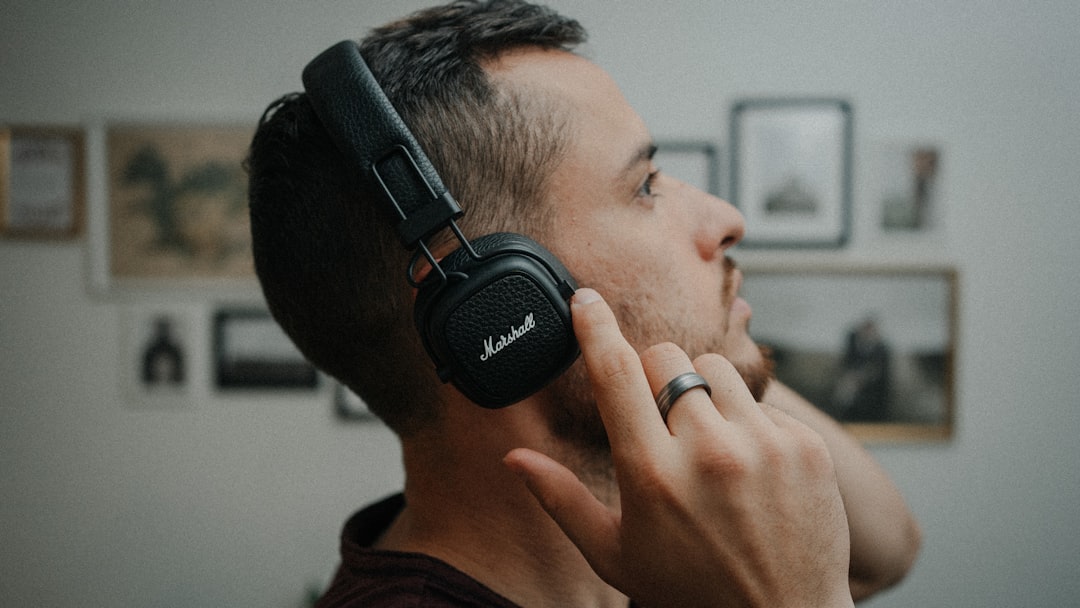
Comfort is a crucial factor that should not be overlooked when selecting headphones. If you plan to wear them for extended periods, ensure they fit well and do not cause discomfort. Over-ear headphones should have soft padding, while in-ear models should come with various ear tip sizes to ensure a snug fit.
Consider the weight of the headphones as well; lighter models are generally more comfortable for long listening sessions. If possible, try on different models to find the one that feels best for you. Remember, a comfortable pair of headphones can enhance your listening experience significantly.
Budget Considerations
Your budget will ultimately influence your choice of headphones. While it can be tempting to go for the most expensive model, there are plenty of affordable options that offer excellent sound quality and features. Set a budget range before you start shopping to help narrow down your choices.
Keep an eye out for sales and discounts, especially during holiday seasons or major shopping events. Investing in a good pair of headphones is worthwhile, but you don’t have to break the bank to find a quality product that meets your needs.
Step-by-step plan:
Step 1: Assess your listening habits and environments. Step 2: Determine which type of headphones best suits your needs. Step 3: Research sound quality specifications and read reviews. Step 4: Test for comfort and fit before making a purchase.